About CCBA
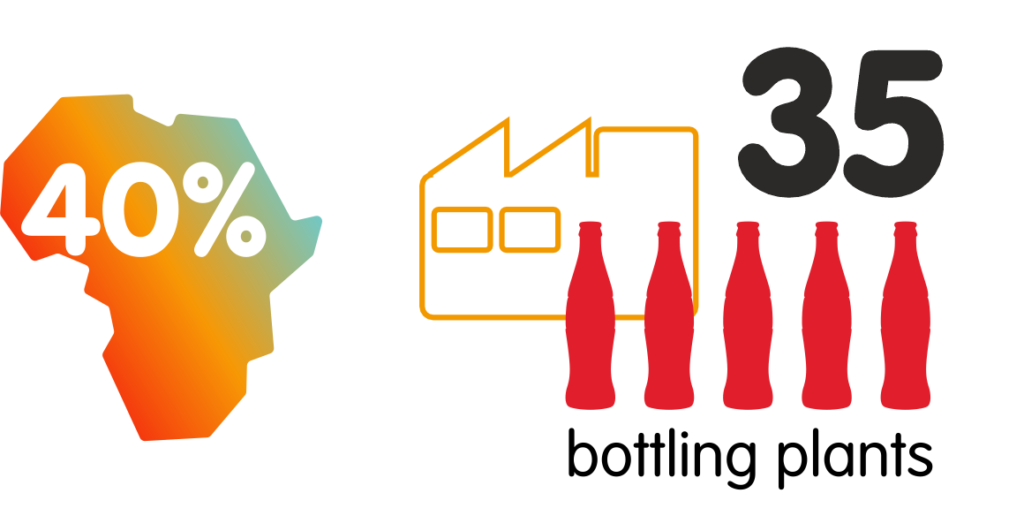
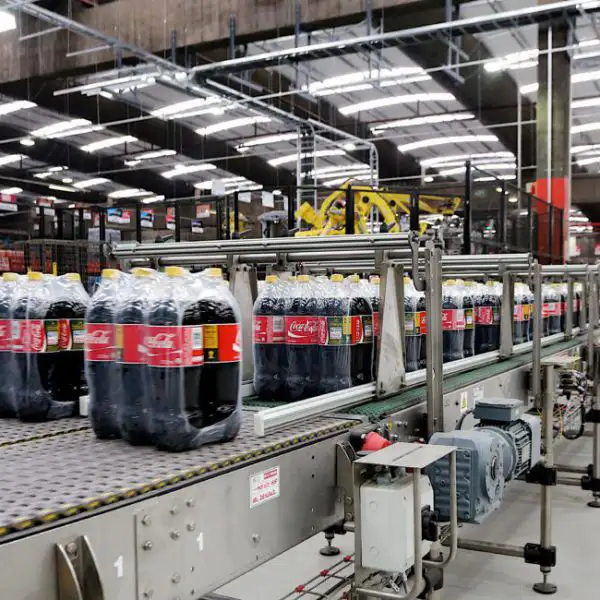
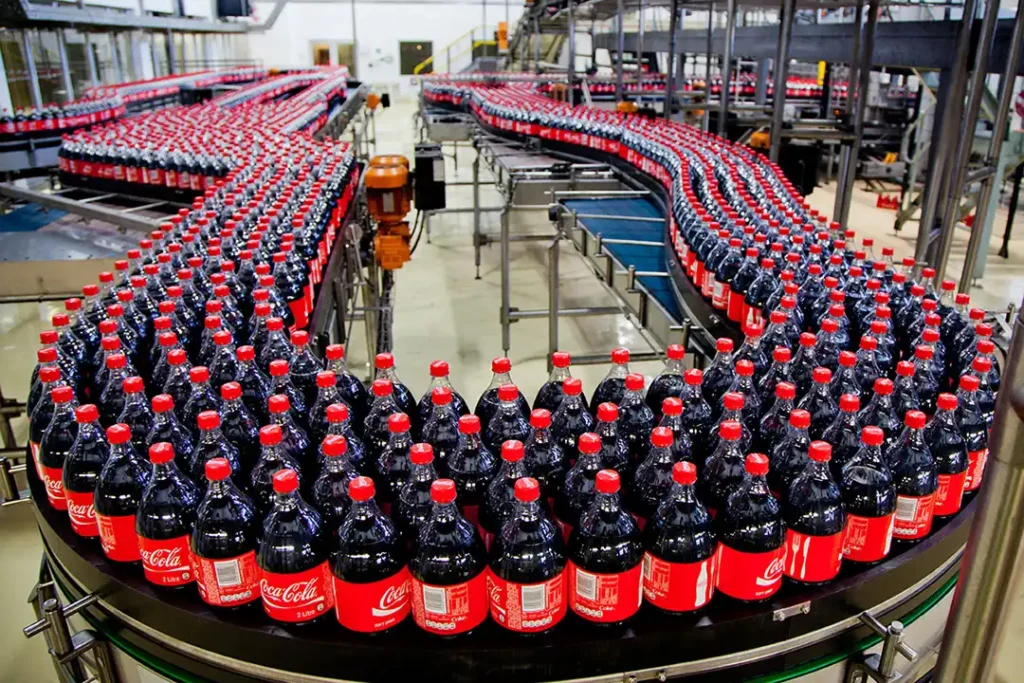
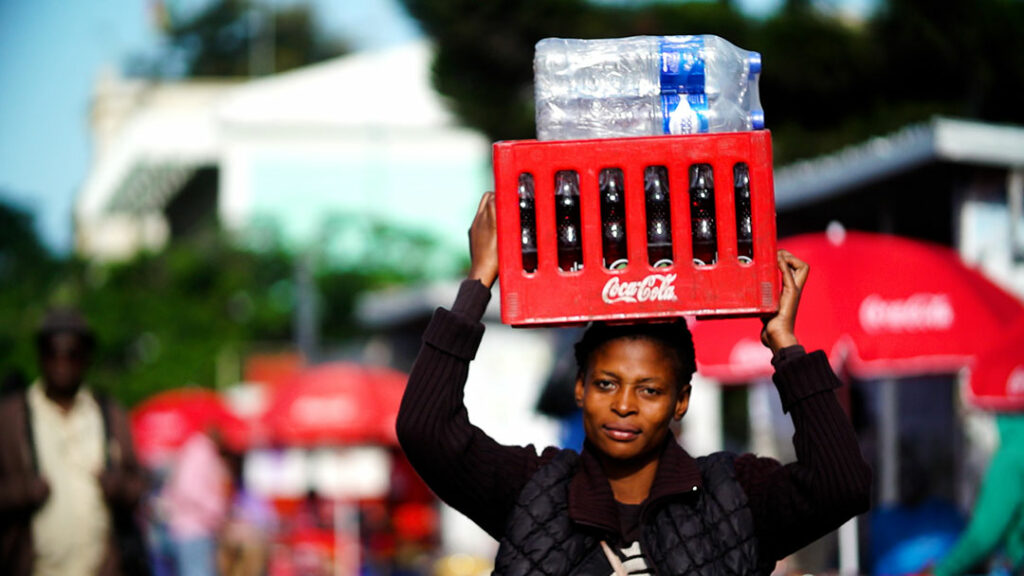
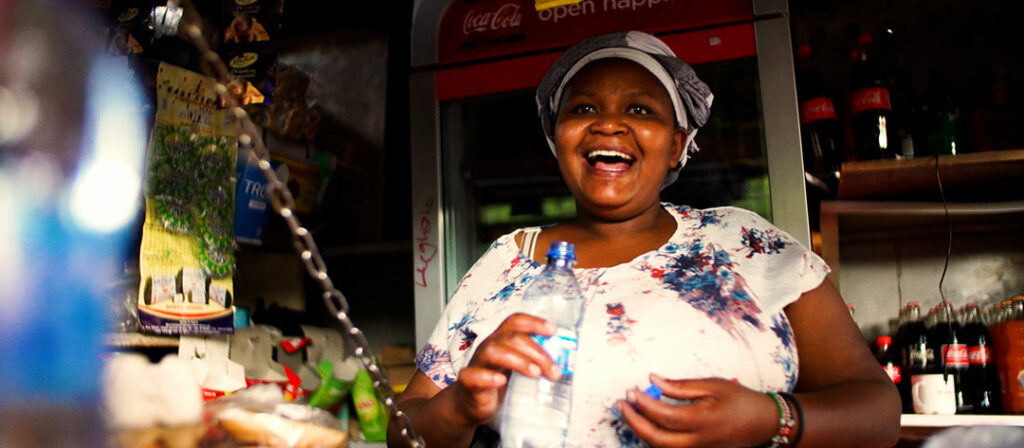
The first Coke was served in Africa in 1928 and currently CCBA accounts for over 40% of all Coca-Cola ready-to-drink beverages sold in Africa by volume, serving over 840,000 outlets.
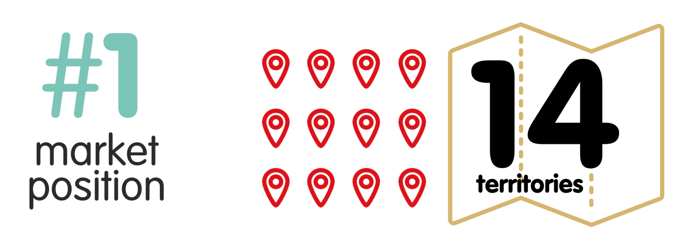
CCBA enjoys the number 1 Non-Alcoholic Ready-To -Drink (NARTD) beverage position in most of our 14 territories.
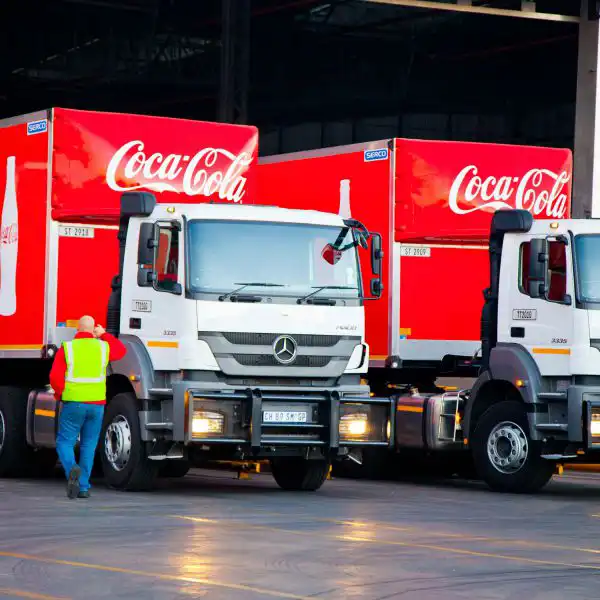
We have close to
4,300
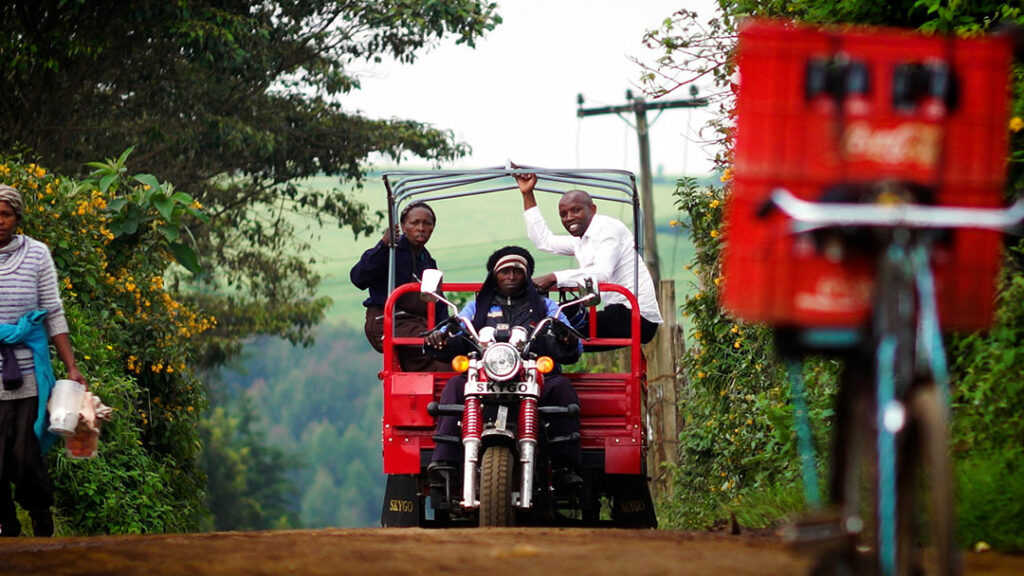
branded delivery vehicles
We have more than
650,000
branded coolers
Leadership
Our history
In late 2014, The Coca-Cola Company (TCCC) and SABMiller reached an agreement with Gutsche Family Investments (GFI), the majority shareholder of Coca-Cola Sabco, to combine the bottling operations of their non-alcoholic ready-to-drink beverages businesses in Southern and East Africa.
The creation of CCBA involved the merger of:
- SABMiller’s Coca-Cola bottling franchise (ABI) and its Appletiser bottling businesses in South Africa, together with its soft drinks businesses in Comoros and Mayotte, as well as its water businesses in Ethiopia, Kenya and Uganda.
- GFI’s Coca-Cola Fortune in South Africa and its other African Coca-Cola bottling businesses in Ethiopia, Kenya, Mozambique, Namibia, Tanzania and Uganda.
- TCCC’s South African soft drinks bottling businesses, Coca-Cola Canners, Valpré, and Coca-Cola Shanduka Beverages.
This partnership between two of the world’s most prominent beverage brands, along with their emerging market bottling partners, made for a compelling business proposition. This was recognised by South African regulators when they approved the merger in October 2015. CCBA began operating as a legal entity in July 2016.
In October 2016, Anheuser-Busch InBev (AB InBev) announced it would be combining with SABMiller. In the same month, TCCC announced its intention to acquire AB InBev’s stake in CCBA.
TCCC and AB InBev reached agreement in December 2016 regarding the transition of AB InBev’s equity stake in CCBA. This was concluded in October 2017.
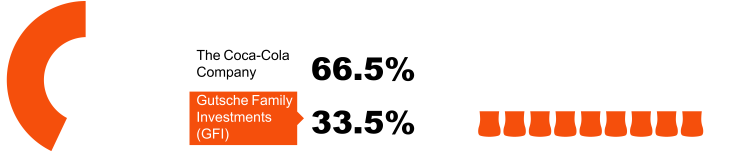
CCBA shareholders are: TCCC 66.5% and GFI 33.5%.