Johannesburg — The Coca-Cola Company in Africa and its bottling partners Coca-Cola Beverages Africa (CCBA), Equatorial Coca-Cola Bottling Company (ECCBC) and Coca-Cola HBC announced a nearly USD 25 million investment to help address critical water-related challenges in local communities in 20 African countries, starting this year through 2030. The work will be led by Global Water Challenge (GWC) and implemented by a consortium of partners, including The Nature Conservancy (TNC), The International Union for Conservation of Nature (IUCN) and the World Wildlife Fund (WWF).
The effort, called ‘The Coca-Cola System’s Africa Water Stewardship Initiative’, was introduced in Cape Town, South Africa, in presence of executives from the Coca-Cola system in Africa and NGO partners. During the event, Karyn Harrington, Vice President of Public Affairs, Communications and Sustainability at The Coca-Cola Company’s Africa Operating Unit indicated “Water is a priority for The Coca-Cola Company and its local bottling partners because it is essential to life, the communities we serve and our beverages. As we face increasing water insecurity worldwide, with demand outstripping supply in many regions such as Africa, Coca-Cola is taking steps to help accelerate efforts to address water stress, protect local water resources, and build community climate resilience. Our 2030 Water Security Strategy focuses on helping enhance water security where we operate, source ingredients, and touch lives.”
“One in three Africans face water insecurity. The Global Water Challenge and ‘The Coca-Cola System’s Africa Water Stewardship Initiative’ partner coalition will seek to improve water security for millions across the African continent, helping advance community health and resilience through abundant, clean water. We applaud Coca-Cola’s continued leadership on African water security” said Monica Ellis, CEO of GWC.
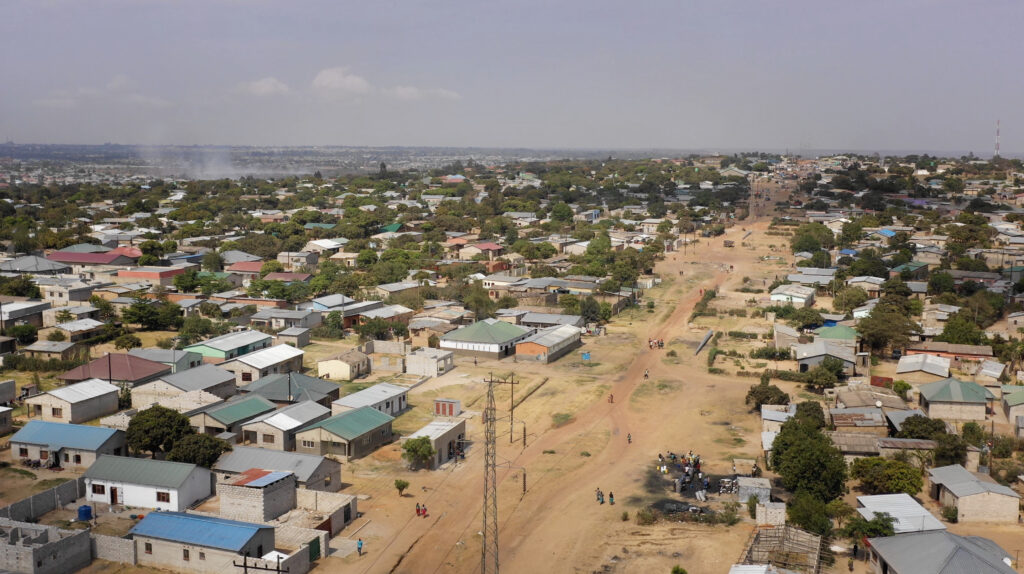
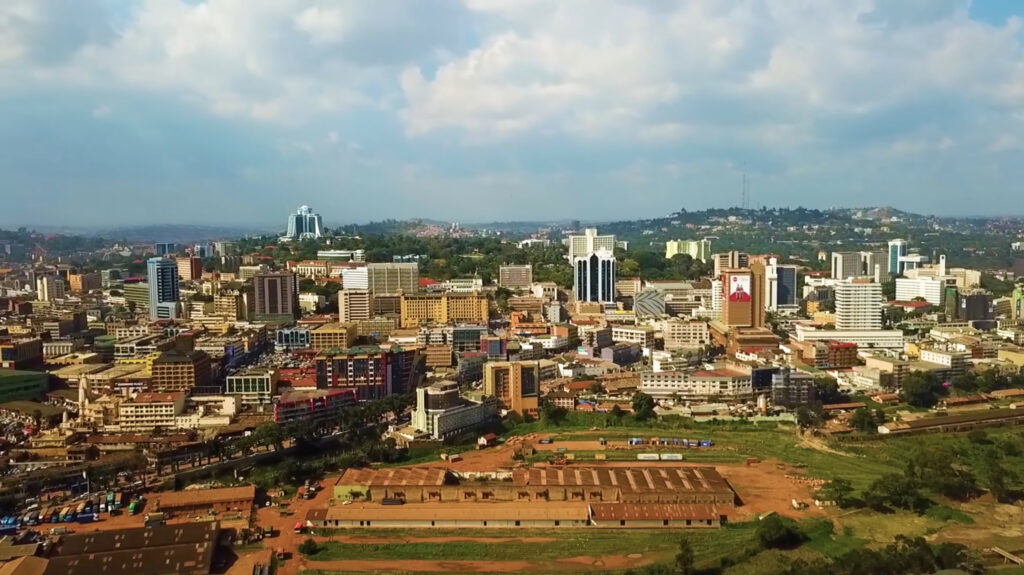
‘The Coca-Cola System’s Africa Water Stewardship Initiative’ aims to help protect and enhance the health of important watersheds and to help improve access to water and sanitation services in local communities. We will have projects in Algeria, Botswana, Cabo Verde, Comoros, Egypt, Eritrea, Eswatini, Ethiopia, Kenya, Mayotte, Morocco, Mozambique, Namibia, Nigeria, Somalia, South Africa, Tanzania, Uganda, Zambia and Zimbabwe.
“CCBA has a responsibility to help those who face water scarcity and to help protect local water resources where we operate, especially in places with the biggest challenges. We are proud to partner with The Coca-Cola Company on this project,” says Layla Jeevanantham, Chief Public Affairs, Communication and Sustainability Officer at CCBA.
“We are proud to partner with The Coca-Cola Company and fellow bottlers on this critical initiative to help tackle water challenges across Africa. By working together, we can leverage the expertise of our partners and the knowledge of local communities to help create sustainable solutions that enhance water access and safeguard vital water resources,” said Sonia Ventosa, Public Affairs, Communications & Sustainability Manager at ECCBC.
“Coca-Cola HBC has been part of African communities for more than 70 years, and sustainability is an important part of how we operate. We’re very happy to see this new water initiative come to life and to support the system’s water stewardship efforts,” said Marcel Martin, Chief Corporate Affairs & Sustainability Officer, Coca-Cola HBC.
Recognizing that partnerships are critical to support this work, the company and its bottlers are collaborating with governments, businesses, and civil society organizations to design and implement strategic interventions. In addition to supporting the company’s water strategy, this effort also aims to contribute to advancing the United Nations’ Sustainable Development Goal 6, which focuses on ensuring availability and sustainable management of water and sanitation.
This water initiative will build upon The Coca-Cola Foundation (TCCF)’s Replenish Africa Initiative (RAIN), a groundbreaking collaboration with key partners and co-funders which helped improve access to clean water, sanitation and hygiene for 6 million people across African countries between 2009 and 2019. Through 120 projects, the initiative positively impacted homes, schools and healthcare clinics in more than 4,000 communities.
*Update* On December 2, 2024, The Coca-Cola Company announced updated voluntary environmental goals. Read more here: The Coca-Cola Company Evolves Voluntary Environmental Goals