Why bottled water is becoming a daily choice in Uganda’s cities

By Mary Nassali

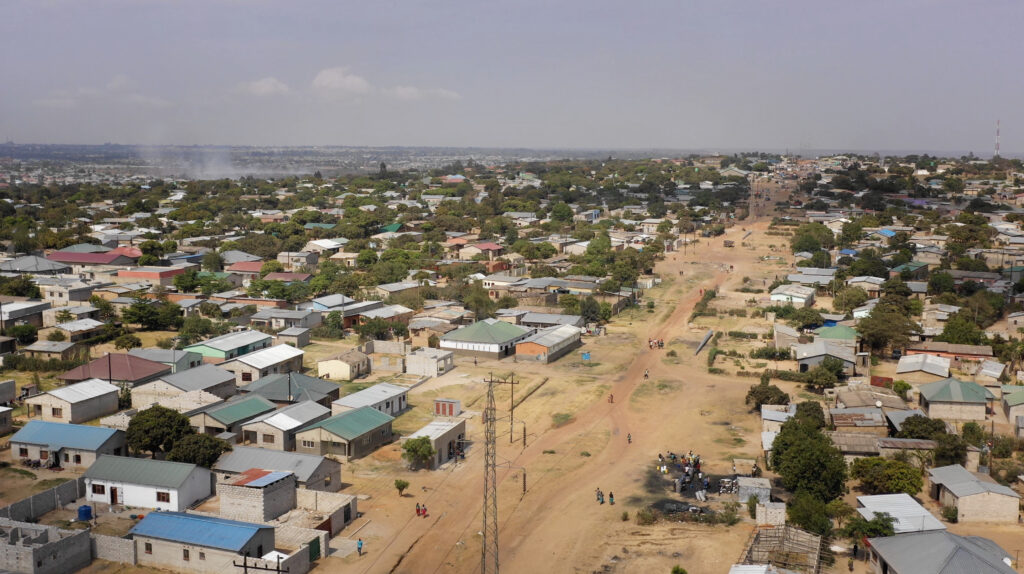
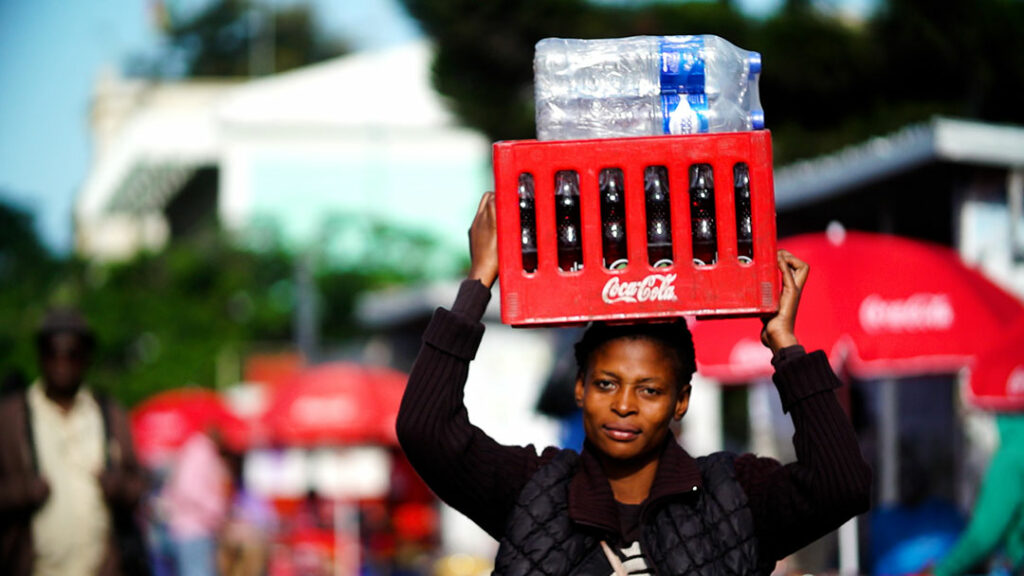
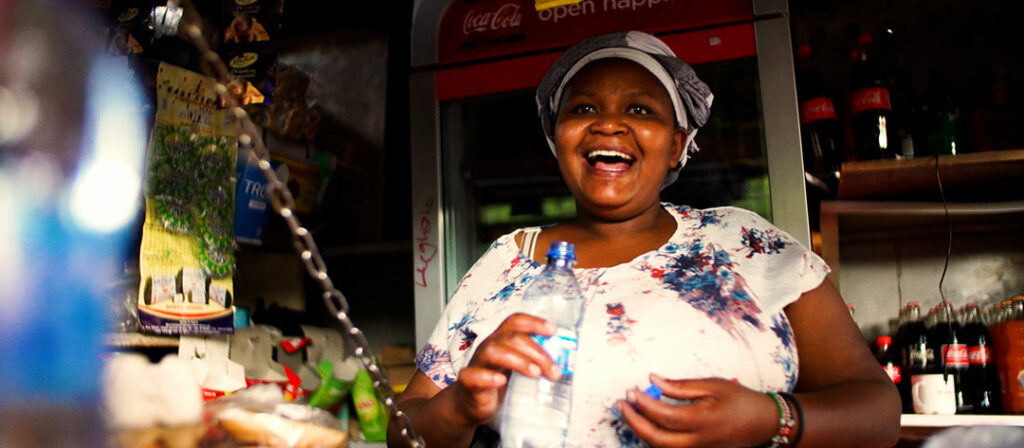
On any given day in Kampala, it is common to see people carrying bottled water in taxis, offices, construction sites, restaurants, and homes. What was once considered a convenience product for travel or special occasions has become an everyday necessity.

As urbanisation expands and lifestyles evolve, consumers are increasingly seeking hydration solutions they can trust, making access to safe drinking water a matter of quality, convenience, and confidence.

Brands such as Rwenzori Pure Natural Mineral Water now play an increasingly visible role in daily hydration habits as consumers look for safe, consistent, high-quality water options throughout the day.

Trust has become one of the most important factors influencing how people choose their drinking water. Consumers want assurance that the water they drink has been produced under strict quality standards and handled responsibly throughout the supply chain. As a result, bottled water has become the preferred choice for many urban consumers.

Uganda’s bottled water market has grown significantly in recent years. The sector is estimated to include about 100 Stock Keeping Units (SKUs) across 59 brands, generating roughly UGX 400 billion in annual turnover.[i]

Another factor shaping the category is the diversity of consumption occasions. Unlike in the past, when bottled water was mainly used for travel or special events, it has now become part of everyday life.

Hydration takes place across multiple settings, and each setting requires the right pack, in the right place, at the right moment. Someone commuting across town might need a small bottle that fits into a bag, while a family or office may require a larger format that lasts longer.

Globally and across Africa, consumption trends reflect this shift. Uganda is among the countries with the highest bottled water consumption on the continent, averaging about 70 litres per person annually – an indication that packaged water has become a core part of modern urban lifestyles.[ii]

This diversity of needs has encouraged beverage companies to develop broader water portfolios that provide multiple pack sizes and formats.

At Coca-Cola Beverages Uganda (CCBU), the Rwenzori Pure Natural Mineral Water range reflects this shift by offering options designed for both on-the-go hydration and take-home consumption.

The recently introduced 10-litre pack within the Rwenzori portfolio is one example of how CCBU, a company in the Coca-Cola Beverages Africa, is responding to evolving consumption patterns. The format provides a practical, affordable and reliable option for families, offices or small gatherings that require a steady supply of drinking water without frequent store visits, all while maintaining the same trusted quality.

Consumers increasingly seek assurance about quality, purity and safety, reinforcing the role of trusted brands.

As cities continue to grow and lifestyles evolve, safe drinking water will remain one of the most important foundations of public health and daily life. CCBU remains committed to producing safe, high-quality water, ensuring it is available, affordable and accessible across all consumer touchpoints.

The author is the Commercial Excellence Director at CCBU

Related Media Releases

Recycling Heroes Project to support packaging collection and economic inclusion in northern Namibia

Coca-Cola Beverages Africa (CCBA) in Namibia, in collaboration with local authorities, recyclers and the Recycling Namibia Forum (RNF), has launched the 2026 Recycling Heroes Project in Rundu and Ondangwa. This community-focused initiative aims to strengthen packaging collection and recycling practices while contributing to economic inclusion in two of Namibia’s growing towns.

Trust: The Foundation of Sustainable Business Success

An Opinion Editorial from Kirunda Magoola, Public Affairs, Communication and Sustainability Director at Coca-Cola Beverages Uganda

Seasoned Industry Leader Henry Friedrich Returns to the Coca-Cola System to Lead CCBA in Namibia

Coca-Cola Beverages Africa (CCBA) in Namibia has announced the appointment of Henry Friedrich as its new General Manager.
Frank O’Donnell

Chief Commercial and Customer Officer, CCBA

Frank leads CCBA’s commercial agenda, with responsibility for accelerating revenue growth, strengthening route to market and customer partnerships and driving execution excellence across markets.

Frank brings extensive international experience from Coca‑Cola HBC, where he held a range of senior commercial and general management roles. Most recently, he served as Region Director, overseeing 13 markets across Europe, where he led high-performing teams and delivered strong business results.

He is recognised for his strong commercial acumen, customer focus and track record in building high-performing teams across diverse markets.

Gerald Lewis

Chief Information Officer, CCBA

Gerald leads CCBA’s digital, data and technology agenda, focusing on enabling business performance through scalable platforms and enhanced digital capabilities.  Gerald brings extensive international experience, most recently as Head of Technology Strategy & Operations at Coca‑Cola HBC. He has also held senior CIO roles at Bacardi across Africa, the Middle East and Asia, as well as transformation roles at GlaxoSmithKline and Mettler Toledo. He is recognised for translating technology strategy into business value and for leading transformation across emerging markets.

Matthew Welz

General Counsel and Company Secretary, CCBA

Matthew joined us from the Clicks Group, a JSE Top-40 company, where he has been the Head of Legal and Company Secretary since 2016. In this role Matthew successfully navigated a highly regulated environment, including overseeing compliance with company laws and the JSE Listings Requirements. As company secretary, he managed governance at Board level as well as being the Chairman’s chief of staff. Prior to this, Matthew was a Legal Manager with Anglo American, a major multinational diversified mining group, which includes three companies listed on the JSE, with extensive operations across Southern Africa.

CCBA Zambia Hero

Zambia

Coca-Cola Beverages Zambia (CCBZ) became a subsidiary of CCBA in 2018.
CCBA Uganda Hero

Uganda

CCBA’s Ugandan subsidiary, Coca-Cola Beverages Uganda Limited (CCBU), has a 24-year track record in Uganda.
CCBA Tanzania Hero

Tanzania

Coca-Cola Kwanza is a subsidiary of CCBA covering 54% of Tanzania’s geography and employing over 500 people.
CCBA Namibia Hero

Namibia

The Coca-Cola system in Namibia, has a 70-year track record providing Coca-Cola brands tailored for consumer preferences.
CCBA Mozambique Hero

Mozambique

With more than 30 years serving the country, Coca-Cola Sabco Mozambique (CCSM) is a subsidiary of CCBA.
CCBA Comoros Mayotte Hero

Mayotte

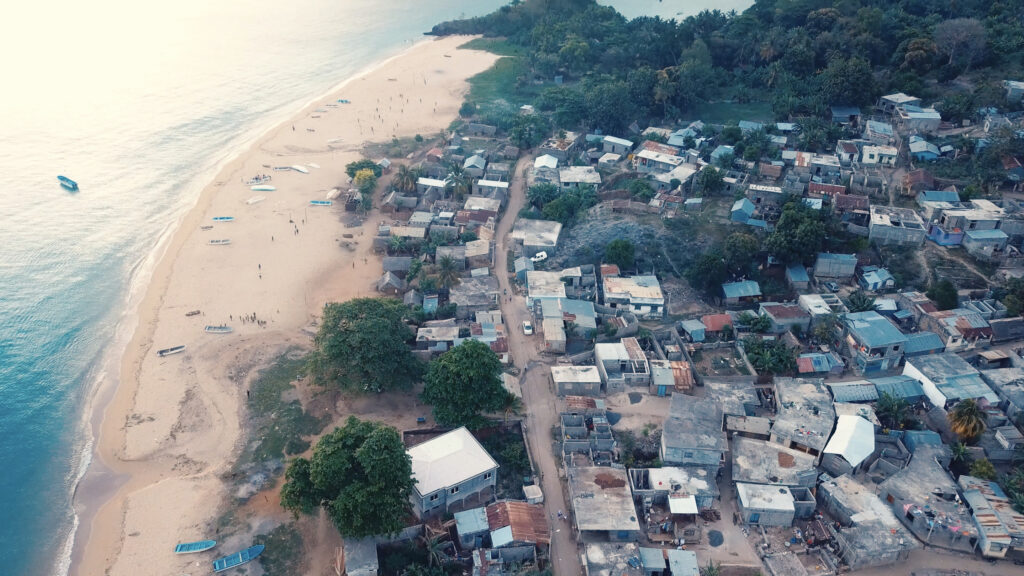
The islands represent CCBA’s presence in Comoros and Mayotte.

Malawi

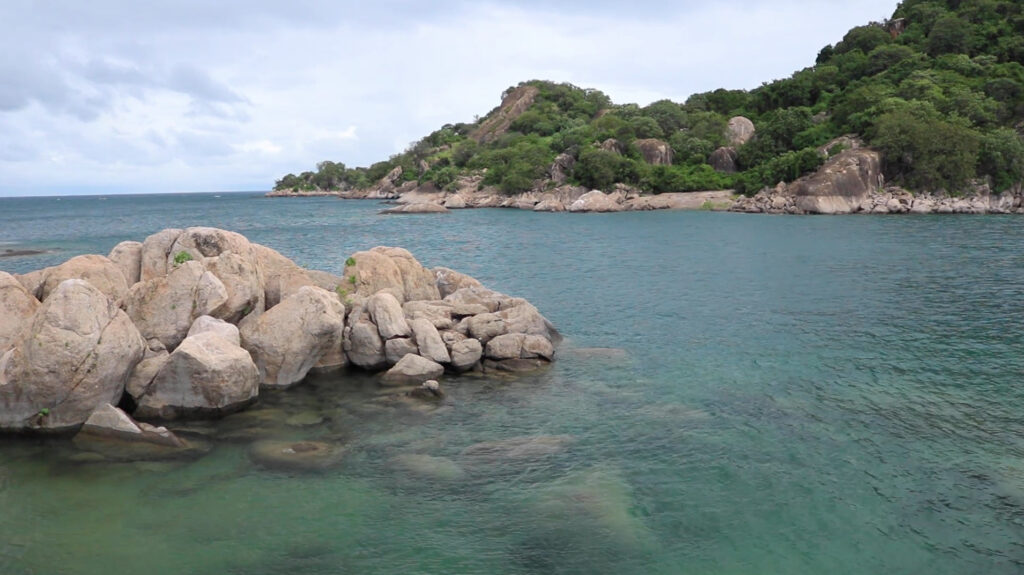
In 2022, CCBA acquired the soft drinks division of the Castel (Southern Bottlers Limited) in Malawi through a new entity called Coca-Cola Beverages Limited (CCBL).
CCBA Where We Operate Hero

Kenya

In one of East Africa’s largest-ever private equity investments, CCBA acquired 100% shareholding in Nairobi Bottlers Limited (NBL) in October 2019.
CCBA Ethiopia Employee

Ethiopia

East Africa Bottling Share Company (EABSC), a subsidiary of CCBA, is the largest bottler of Coca-Cola products in Ethiopia, having served the country for more than 60 years.
CCBA Eswatini Hero

Eswatini

In August 2019, CCBA subsidiary, Eswatini Coca-Cola Beverages, commenced operations with a refreshed marketing and sales plan, based on Coca-Cola Beverages South Africa’s success.
CCBA Comoros Mayotte Hero

Comoros

The islands represent CCBA’s presence in Comoros and Mayotte.
CCBA South Africa Where We Operate

South Africa

CCBA’s proudly South African subsidiary, Coca-Cola Beverages South Africa (CCBSA), has 11 manufacturing plants across 6 provinces.
CCBA Botswana Hero

Botswana

Based in the capital, Gaborone, CCBA’s Botswana subsidiary, which trades as Coca-Cola Beverages Botswana (CCBB), offers improved service and accelerated innovation for both the formal and informal markets.