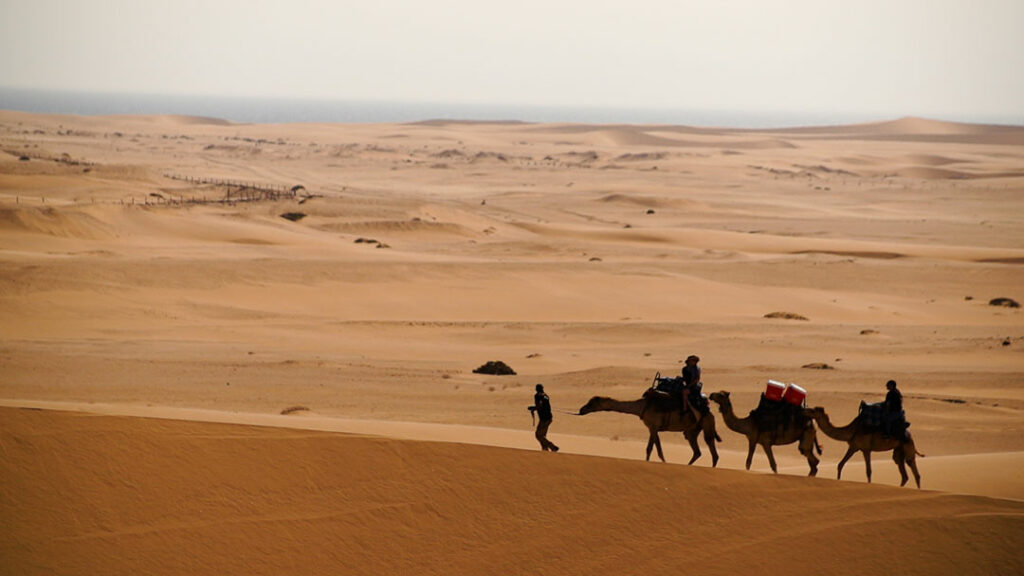
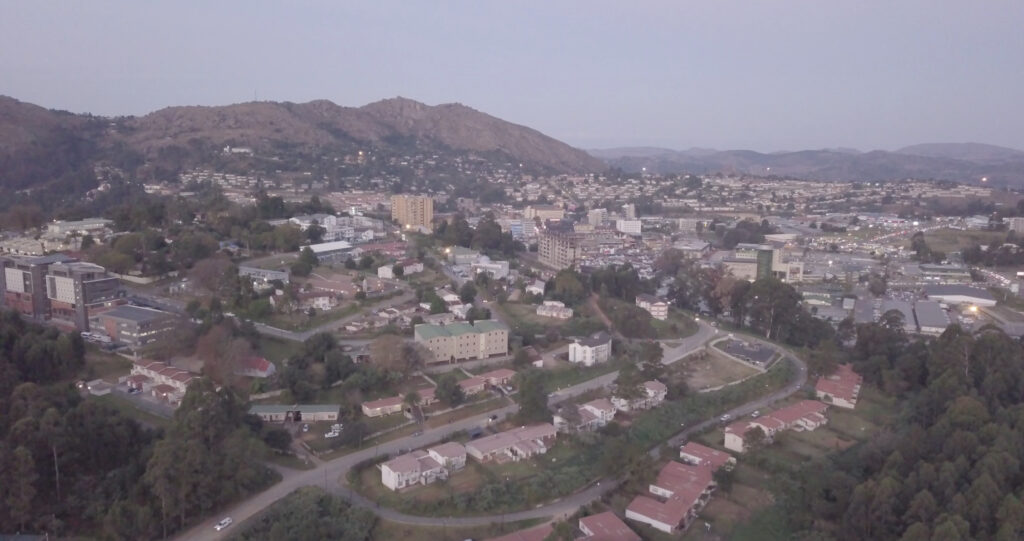
Windhoek, Namibia – As Namibia continues to face recurring droughts and growing water demand, the country’s water resources are under increasing pressure. Windhoek is situated in one of the most water-stressed regions in sub-Saharan Africa, where low and unpredictable rainfall, combined with high evaporation rates, continues to challenge water availability and long-term water security.[1]
To help address these shared water challenges, the Coca-Cola system is investing USD 1.22 million in the //Gam-i Swakop Basin Resilience Project, designed to help strengthen water security and support ecosystem restoration in the Swakop River Basin, a vital water source for the city of Windhoek and surrounding communities.
The //Gam-i Swakop Basin Resilience Project aims to support improved water availability and help strengthen the resilience of the Swakop River Basin through nature-based solutions that support sustainable water resource management across the catchment area.
Implemented in collaboration with the Global Water Challenge (GWC) and World Wildlife Fund (WWF) Namibia, the project includes the construction of two sand storage dams, restoration of 235 hectares of land through the clearing of invasive alien plants, and the planting of 750 trees in river buffer zones and environmentally degraded areas within Windhoek’s informal settlements. In addition, two boreholes will be drilled to support groundwater recharge in the Windhoek aquifer, and a water resilience action plan has been developed.
This work forms part of the Coca-Cola system’s Africa Water Stewardship Initiative, launched in 2024. The initiative represents a nearly USD 25 million investment focused on helping address critical water-related challenges across 20 African countries by 2030.
“Because water challenges are local, our approach to water security is focused on local action and collaboration,” said Alfred Olajide, Vice President of East and Central Africa Operations at Coca‑Cola. “The Coca‑Cola system remains focused on helping to promote water stewardship, increasing water use efficiency, and treating and returning safe water to communities.”
Henry Friedrich, General Manager of Coca-Cola Namibia Bottling Company (CCNBC) added: “As part of the Coca-Cola Beverages Africa group, we have a responsibility to assist those who face water scarcity and to help protect local water resources where we operate, especially in places with the biggest challenges. Through the Africa Water Stewardship Initiative, the system aims to help protect important watersheds and to improve access to water and sanitation in local communities.”
WWF Namibia Country Director, Dr Juliane Zeidler, said: “Water is one of Namibia’s most precious and increasingly vulnerable resources. This project is an opportunity to demonstrate how investing in healthy ecosystems can deliver tangible benefits for people, while also helping communities become more resilient to future climate pressures. We hope the lessons and partnerships developed through this initiative can inform similar approaches elsewhere in the country.”
“Collaboration is essential to addressing shared water challenges effectively. Coca-Cola and its authorised bottlers continue to work with governments, businesses, and civil society organisations to design and implement strategic interventions,” concluded Olajide.
[1] https://www.alliance4water.org/wr4er-cases/secured-urban-water-supply-for-the-city-of-windhoek-namibia